• Home
  • Categories
    • Privacy Policy
      • Cookie Policy
    • Links
  • About NP
    • Welcome to Neurosomatic Psychology.com
    • What Is Trauma?
    • What is Neurosomatic Psychology?
      • Where Can I Attend NP Programs
      • Sponsor Neurosomatic Psychology
    • About Richard
  • NEED HELP NOW?
  • FAQ
  • Blog
  • Contact
info@neurosomaticpsychology.com
Neurosomatic PsychologyNeurosomatic Psychology
  • Home
  • Categories
    • Privacy Policy
      • Cookie Policy
    • Links
  • About NP
    • Welcome to Neurosomatic Psychology.com
    • What Is Trauma?
    • What is Neurosomatic Psychology?
      • Where Can I Attend NP Programs
      • Sponsor Neurosomatic Psychology
    • About Richard
  • NEED HELP NOW?
  • FAQ
  • Blog
  • Contact

Depressed People Found to Have Lower Antioxidant Levels

Home LifestyleDepressed People Found to Have Lower Antioxidant Levels
Depressed People Found to Have Lower Antioxidant Levels

Depressed People Found to Have Lower Antioxidant Levels

January 29, 2020 Posted by neurogenics Lifestyle

by Elizabeth Renter

For the millions of people who suffer from depression, life has a grey cloud over it. Many of these people are pushed into using Big Pharma solutions with scary side effects, side effects that could actually worsen their condition and cause dependence. Fortunately, there is a variety of other natural options available, with one of the most recent entries into the world of natural depression solutions being antioxidants. We’ve said before that optimal mental health depends on optimal physical health, and the antioxidant connection further affirms this.

People with Depression Have Low Antioxidant Levels

Antioxidants are compounds naturally found in plant food. They protect the cells from damage by free-radicals or oxidative stress. Oxidation can lead to a variety of issues, from Alzheimer’s to cancer cell proliferation, and possibly even depression. By protecting your body from the damage of environmental and dietary toxins, you can help prevent these conditions and more.

A study from the Government Medical College in Nagpur India found that people suffering from major depression have lower blood-antioxidant levels. What this means is that people who suffer from depression may also be suffering from a lack of antioxidant protection. The India study found that treatment with SSRI’s (serotonin re-uptake inhibitors) actually had some effect on increasing these antioxidant levels. However, you don’t need to take SSRI’s to increase antioxidant concentration, you simply have to eat more antioxidant-rich foods.

Italian researchers affirmed these findings, stating that antioxidants could offer the key to better depression treatments. Even pointing out the anti-depressant effects of curcumin (found in turmeric), they remarked that, “There is an urgent need to develop better tolerated and more effective treatments for depressive disorders and several antioxidant treatments appear promising and deserve further study.”

Ingesting more Antioxidants

So, how can you safely up your antioxidant consumption? By increasing your intake of fruits and vegetables. A study published in the Journal of the Academy of Nutrition and Dietetics indicates that supplementing with antioxidants in a bottle is not as effective as ingesting them straight from the plant source. While fruit and vegetable intake (and subsequent antioxidant levels) were found related in depressed participants, antioxidants from supplements didn’t have the same connection. In other words, natural food-sources of these powerful compounds are crucial.

The foods with the highest antioxidant compounds include:

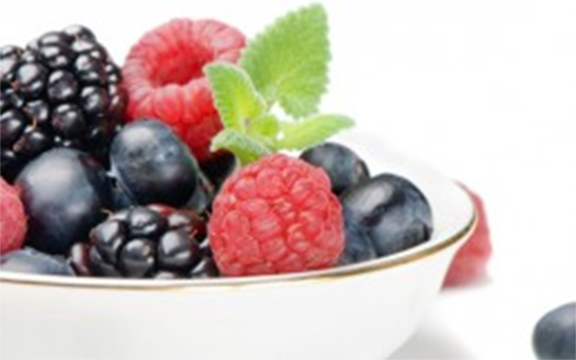
  • All varieties of berries
  • Walnuts
  • Artichokes
  • Grape juice
  • Cranberry juice
  • Pineapple juice
  • Cloves
  • Broccoli
  • Tea
  • and more.

If you’re eating fresh, organic fruits and vegetables on a daily basis, you are likely obtaining some antioxidants. In addition to making this dietary alteration, here are 5 other tips for avoiding and treating depression.

Share
1

About neurogenics

This author hasn't written their bio yet.
neurogenics has contributed 6 entries to our website, so far.View entries by neurogenics

You also might be interested in

Mar 25, 2020

FREE CORONA-VIRUS Stress Relief Book En Inglés, Castellano y Francés.[...]

27 Easy ways to sleep better tonight

27 Easy ways to sleep better tonight

Jan 30, 2020

When the important work your body needs to do during[...]

Arguments in the Home Linked With Babies’ Brain Functioning

Arguments in the Home Linked With Babies’ Brain Functioning

Jan 29, 2020

“Even during sleep, infants showed distinct patterns of brain activity[...]

Recent Posts

  • (no title)
  • 10 Things About Gaslighting As An Abuse Tactic
  • 27 Easy ways to sleep better tonight
  • Arguments in the Home Linked With Babies’ Brain Functioning
  • Knowing which wolf to feed is the first step towards recognizing you have control over your own self.

Recent Comments

    Let's get in touch

    Send us an email and we'll get back to you, as soon as possible. We never share or sell your information, PERIOD!

    Send Message
    I need stress or trauma relief now Basic NP Stress Relief and Trauma Techniques

    About us

    Duree Educational Systems is dedicated to healing the planet Earth and its inhabitants with consciousness and integrity through the production, manufacture and distribution of educational systems and related products.

    Find us here

    • Neurosomatic Psychology
    • Duree Educational Systems
    • Ronda Norte 16, 1B Murcia Spain 30009
    • 34-627-974733
    • info@neurosomaticpsychology.com
    • neurosomaticpsychology.com

    Fresh from our blog

    • 10 Things About Gaslighting As An Abuse Tactic
    • 27 Easy ways to sleep better tonight
    • Arguments in the Home Linked With Babies’ Brain Functioning

    © 2020 · neurosomaticpsychology.com

    • Home
    • Categories
      • Privacy Policy
        • Cookie Policy
      • Links
    • About NP
      • Welcome to Neurosomatic Psychology.com
      • What Is Trauma?
      • What is Neurosomatic Psychology?
        • Where Can I Attend NP Programs
        • Sponsor Neurosomatic Psychology
      • About Richard
    • NEED HELP NOW?
    • FAQ
    • Blog
    • Contact
    Next